
There is nobody with a tourism degree on the Gorilla Highlands team, nor has anybody worked in the tourism industry beforehand. Our decision to enter this business was purely pragmatic.
We noticed negative long-term effects of charity and looked for something smarter. We were enchanted with our region’s natural and cultural beauty. We felt that the best way to change people’s perception of Africa was to bring them here. We saw that local people were perfect for tourism work: English-speaking, incredibly hospitable, with genuine smiles that no money can buy and so profoundly relaxed that they could cure stress through osmosis.
Our approach to tourism has been a reaction to the tourism we experienced ourselves. Unperturbed by what tourism should be, we could mould it into what we wanted it to be. For example, the Gorilla Highlands Trails is, in its core, a former Boy Scout’s dream activity. To get hosted by an expat when you fly into an African city is simply what we considered the best soft landing. We are quick to mention public transport options to travellers because we don’t have a vehicle that would need to be amortised.

On the other hand, we may lack useful theoretical frameworks and don’t always speak the language of the industry we are in.
“These guys don’t talk much about sustainable or ecotourism, they just do it!” posted one of our trekkers on a Lonely Planet forum some years ago. Believe it or not, that testimony made us type sustainable tourism and ecotourism into a search engine, to understand the words fully… We learned that we indeed were an ecotourism thing.
Later on we were supported by a UNDP/WTO/UTB project that emphasised pro-poor tourism. That made us feel at home as well. But only when they sent us to the World Travel Market in 2015 did we run into possibly the ultimate term: responsible tourism.
Why “ultimate”?
The responsibility highlighted in the name is a powerful concept. It invites you to continuously think about your actions, consider their immediate and far-reaching implications. Particularly in our case. We might actually have what it takes to slowly but surely fundamentally alter the tourism situation in the wider area around mountain gorilla national parks. How can we avoid opening a can of worms?
Let’s talk about Batwa “Pygmies” for a minute. We are not the ones who invited tourists into their communities; we found it like that. Our intention has always been to make such interactions more positive for both the vistors and the visited, to give Batwa a dearly needed source of income and strengthen their cultural self-respect. Still, the fact is that the number of tourists will likely increase because of our product-development and promotional activities. When does it become too much? Can an impoverished partner like a Batwa community honestly say no to disruptive tourism?
These questions may be categorised as Social Responsibility. The other two elements of the responsible tourism idea, Economic Responsibility and Environmental Responsibility, are as significant. They are described in the Cape Town Declaration on Responsible Tourism, adopted in 2012, together with useful guidelines.
Thoughtful members of the Gorilla Highlands team and our audience should have a thorough read. Please never hesitate to alert us if we stray too far from the responsible tourism ideal.

📸 photography by:

Jiro Ose took part in the 2015 Gorilla Highlands Press Trip, and left a fantastic photo library behind. He has received several global photojournalism prizes, including the Award of Excellence at the Pictures of the Year International competition for his coverage of elections in DR Congo. After spending nearly 15 years in Africa, three years on Beirut and five years in Indonesia, Jiro recently relocated to Bangkok, Thailand. [bio updated: 2026-03]
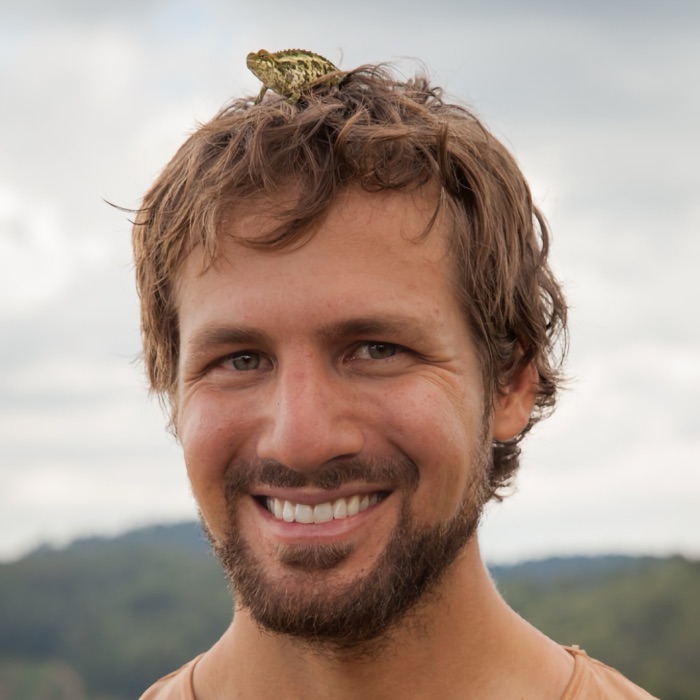
Marcus Westberg is a multiple award-winning photographer and writer from Sweden whose work — covering conservation, wildlife and travel — appears regularly in several global publications. He has made several trips to our region specifically to volunteer for Gorilla Highlands Experts. When not globetrotting, Marcus lives with his wife and daughter close to Lisbon, Portugal. Click for our interview with Marcus. [bio updated: 2026-03]
🖋️ text by:
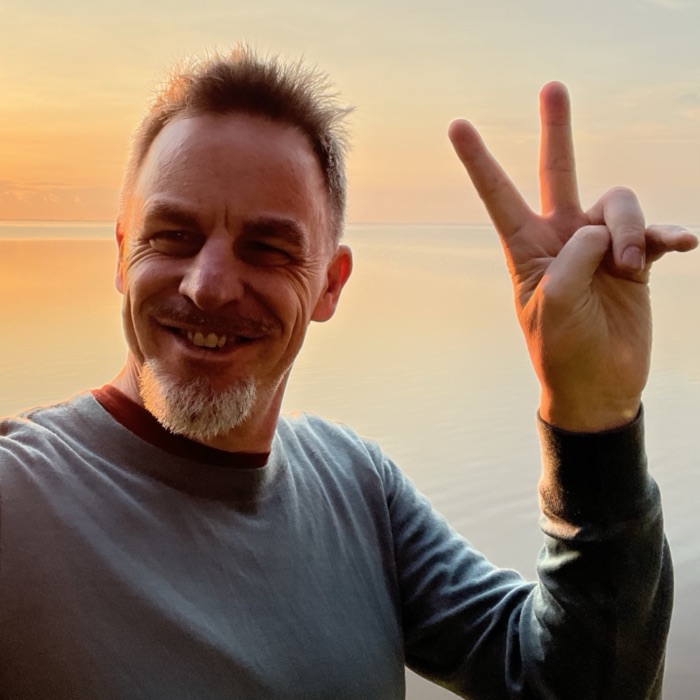
ML Rwebandira is an adventure and cultural tourism expert, writer and multimedia producer who co-founded Gorilla Highlands Experts. Born as Miha Logar, he now combines his initials with “Rwebandira” to honour the Bakiga elder Karwemera, who gave him the name. ML’s most recent publication is the Pocket Treasure. A national of both Uganda and Slovenia, Rwebandira resides with his son Lan in Musanze, Rwanda. Click for his personality-infused quarterly newsletters. [bio updated: 2026-09]
Wish to check out all our 100+ contributors? Dive into the GHE Biosphere to meet everyone who has made us.